
Loft clearance specialists professionally assess and remove hazardous materials like old paint, asbestos, mold, and contaminated insulation from lofts. They optimize space, enhancing energy efficiency up to 20%, and avoid costly repairs and health risks. Specialists navigate cramped access and varied loft spaces, ensuring legal compliance and environmental considerations. Engaging them offers tailored cost estimates, transforming lofts into safer, functional spaces while contributing to sustainability goals.
Lofts, often overlooked spaces, can hide hazardous materials like asbestos, lead paint, or toxic insulation, posing significant risks to health and safety during renovation or relocation. The safe removal of these substances is not just a legal obligation but a critical step in protecting homeowners and workers from long-term health issues. Loft clearance specialists play a pivotal role here, offering expertise in identifying, handling, and disposing of these hazardous materials responsibly, ensuring the space is cleared safely and effectively for future use. In this article, we delve into the intricacies of loft clearance, providing valuable insights for anyone considering such projects.
- Assessing Hazardous Materials in Lofts: Safety First
- Efficient Loft Clearance: Specialized Techniques Unveiled
- Disposing Hazards: Legal and Eco-Conscious Approaches
Assessing Hazardous Materials in Lofts: Safety First
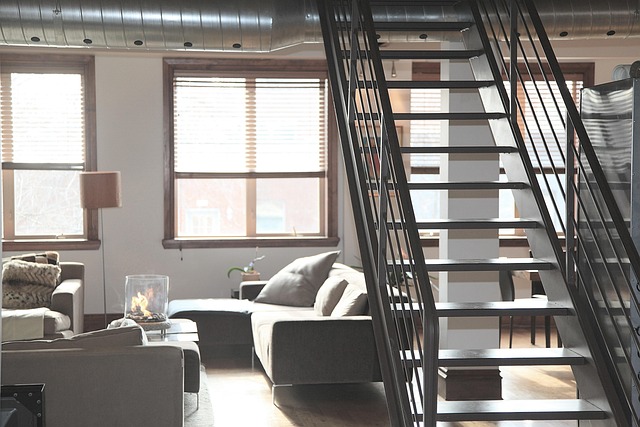
Assessing hazardous materials in lofts requires a thorough and professional approach to ensure safety during loft clearance. As these spaces often gather unused items over years, the potential for hidden dangers is significant. Lofts can harbor a range of hazardous substances, from old paint and asbestos to mold and contaminated insulation. Professional loft clearance specialists are trained to identify these risks and navigate them safely. They employ specialized equipment and adhere to strict protocols to protect themselves and their clients during deep cleaning attic spaces.
A comprehensive assessment begins with an onsite inspection by experts who can visually scan for telltale signs of hazardous materials. For example, they look for outdated or damaged paint, which may contain lead, and verify the presence of asbestos in older insulation or flooring. Once identified, these materials require specialized local loft waste removal methods to prevent further contamination. Many reputable specialists offer services tailored to specific hazards, ensuring compliance with environmental regulations during every step of the loft clearance process.
Professional space optimization is a key benefit of working with specialists. They not only safely remove hazardous materials but also help transform lofts into usable, healthy spaces. By addressing these issues upfront, homeowners can avoid costly repairs and potential health risks in the future. According to recent studies, proper attic insulation removal and replacement can enhance energy efficiency by up to 20%, making it a smart investment alongside safe space optimization.
Efficient Loft Clearance: Specialized Techniques Unveiled

Loft clearance presents unique challenges due to the often cramped access and varied nature of loft spaces. For efficient loft clearance, homeowners increasingly turn to loft clearance specialists, who possess the expertise and specialized equipment to navigate these complexities. These professionals are not just adept at safely removing hazardous materials; they also offer valuable insights into home storage solutions tailored to optimized space utilization.
Professional loft clearance specialists begin by assessing the loft’s condition, identifying potential hazards such as asbestos, lead paint, or old insulation materials. This meticulous process ensures compliance with safety regulations and involves documenting the removal process for future reference. Employing specialized gear, from protective clothing to advanced extraction tools, they meticulously clear out debris, preserving structural integrity while minimizing disruption.
Once cleared, these experts don’t simply leave; they collaborate with clients on professional space optimization. This may involve designing efficient storage solutions, recommending eco-friendly recycling or disposal methods, and even suggesting conversions for underutilized loft spaces. By leveraging their experience in loft clearance and home storage, specialists help transform lofts from cluttered eyesores into functional, organized areas that enhance living spaces below. Data suggests that optimized loft spaces can increase home value by 10-20%, making this a strategic investment for homeowners looking to maximize their property’s potential.
Disposing Hazards: Legal and Eco-Conscious Approaches

The safe removal of hazardous materials from lofts necessitates a strategic approach that balances legal obligations with eco-conscious practices. Loft clearance specialists play a pivotal role in this process, offering expertise tailored to the unique challenges of attic spaces. When engaging these professionals, it’s crucial to understand both the legal framework governing hazardous waste disposal and the environmental benefits of responsible management.
In many jurisdictions, large item disposal services for hazardous materials are regulated by stringent laws aimed at protecting public health and the environment. These regulations dictate proper handling, transportation, and ultimate disposition of items like asbestos, lead-based paint, and certain types of electronic waste commonly found in attics. Loft clearance specialists are intimately familiar with these regulations and adhere to them strictly, ensuring compliance throughout the attic decluttering process. For instance, they may employ specialized containers and transport methods to prevent contamination during large item removal, reflecting both legal requirements and best practices for eco-friendly disposal.
Beyond legal considerations, attic renovation cost estimates and the potential benefits of loft clearance extend beyond immediate financial savings or increased living space. A thorough attic decluttering can significantly reduce the environmental footprint associated with storing or discarding hazardous materials responsibly. By facilitating proper disposal through loft clearance specialists, homeowners contribute to a reduced strain on local landfills and minimize the risk of ecological contamination from improperly handled waste. Data suggests that responsible attic management not only safeguards public health but also conserves natural resources by promoting recycling and repurposing where possible.
When planning loft clearance, engaging professionals equipped to handle hazardous materials is essential. These experts can provide cost estimates tailored to the specific needs of each project, whether focusing on minimizing attic renovation costs or maximizing the eco-friendly benefits of proper waste management. Ultimately, a strategic approach to loft clearance that incorporates legal adherence and environmental stewardship ensures not only a safer, more functional loft space but also contributes positively to the broader community’s well-being and sustainability goals.
The safe removal of hazardous materials from lofts requires a multifaceted approach. By understanding the unique challenges posed by loft environments and the legal, environmental, and safety considerations involved, homeowners can ensure comprehensive and responsible clearance. Key insights include the importance of expert assessment to accurately identify hazardous substances, employing specialized techniques for efficient loft clearance that minimize disruption, and adhering to strict disposal protocols to mitigate environmental impact. Engaging the services of loft clearance specialists is paramount, as they possess the knowledge and equipment necessary to navigate these complexities, ensuring a safe and lawful outcome. This structured approach not only protects individuals and the environment but also underscores the importance of professional guidance in managing potentially hazardous situations.